There has been a lot of chatter around the printing industry lately about QR Codes. We thought we would take a few minutes, and provide some information about QR Codes so that our customers and prospects would have a resource for further learning .
Conquest Graphics can easily integrate QR Codes into your printed projects. Be sure to ask one of our experienced and friendly customer service reps about QR codes by emailing them at customerservice@ConquestGraphics.com, or clicking on the “Live Support” button at the top left corner of every page.
Introduction
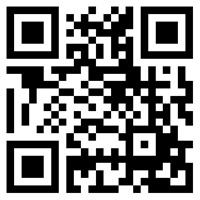
A QR Code is two-dimensional barcode, which can be read by QR scanners, mobile phones with a camera, and smart phones. The code is a symbol comprised of black pixels arranged in a square pattern on a white background. The information encoded can be text, URL, or other data.
History
QR codes were developed in Japan by Denso-Wave (a subsidiary of Toyota) in 1994. QR is the acronym for Quick Response which allows the contents of the code to be read and interpreted at high speed. Initially implemented for tracking parts movement during manufacturing, QR Codes are now used in a much broader context, including industrial tracking applications and marketing-oriented applications for mobile phones (“mobile tagging”). QR Codes can be used to display text, to add a v-card contact to a device, to open a URL, or to deliver a text message or email. Users can also generate and print their own QR Codes by visiting one of several free QR Code generating web sites.
Uses
QR Codes may appear in magazines, on brochures, business cards, or on just about any printed material. Users with a camera phone equipped with the appropriate reader application can scan and decode the image of the QR Code. This act of linking from physical world objects is known as hardlinking.
The Android operating system supports the use of QR codes by including a native barcode scanner app. The Android browser supports URI redirects, which allow QR Codes to send metadata to existing applications on the device. The Apple iOS on iPhone does not natively support reading and interpretation of QR Codes, but free apps are available on iTunes that enable the code reader and metadata browser redirect functionality.
Recently, QR Codes have become more commonplace for marketing applications and have been integrated into both conventional and interactive marketing campaigns. QR codes have been deployed on billboards, point-of-sale displays, event tracking, trade-show marketing, direct mail campaigns, email marketing, and couponing. QR Codes are becoming more popular with marketers, because QR Codes provide the ability to measure response rates, and to more easily measure and calculate return on investment, which helps to more effectively allocate and justify marketing and advertising spend.
The adoption of QR Code technology has been somewhat slow in the United States because of competing standards like Data Matrix. However, QR Codes are quickly gaining momentum in the smart phone market and are steadily moving into the mainstream. There are many internet platforms available today which allow users to create and manage QR codes. These platforms also allow users to utilize analytics capabilities that show how and when the code is being scanned.
Standards
The Japanese standard for QR Codes developed by Denso Wave is JIS X 0510, which was released in January of 1999. The corresponding ISO International Standard, ISO/IEC 18004, was then adopted in June of 2000. The standard was then updated again in 2006 (ISO/IEC 18004:2006).
Data Capacity
QR Codes are capable of handling a variety of data, including numbers, alphabetic characters, Kanji, Kana, Hiragana, symbols, binary, and various control codes. A total of 7,089 characters can be encoded into one QR Code symbol.
QR codes versus traditional barcodes
QR Codes have numerous advantages when compared to conventional barcodes, because the typical barcode can only represent a maximum of 20 characters, whereas a QR Code can represent up to 7,089 characters. This makes QR Codes much more useful and appealing than normal barcodes. QR Codes are capable of encoding the same amount of data in approximately one-tenth the area of a traditional bar code. QR Codes can also be printed at a variety of sizes. Miniaturized QR Codes are called Micro QR Codes.
Another useful feature of QR Codes is they need not be scanned from one particular angle. QR Codes support omni-directional high-speed reading. QR Code scanners and scanning apps are capable of determining the correct way to decode the content within the QR Code due to the three positioning squares that are located in the corners of the symbol. Multiple QR Codes can also be combined into one large symbol. Likewise, one QR Code symbol can also be divided into 16 separate symbols.
Viruses and malware
We have received several inquires concerning QR Codes and security. Specifically, we have been asked whether QR Codes can contain viruses or malware. It is not really possible to "embed" a virus or a piece of malware directly into a QR Code, since most viruses and/or malware codes would exceed the maximum number of characters contained within a QR Code. However, it is possible that when you scan a QR Code, you may be redirected to a website where a virus or malware could be downloaded to your smart phone. If you scan a QR Code, and are directed to an unfamiliar website, or if your smart phone alerts you that the site may not be a trusted site, leave the site immediately.
If you have any questions about QR Codes, or if you would like to use QR Codes in an upcoming project, please don't hesitate to call us at 1-800-707-9903, or email us at customerservice@ConquestGraphics.com.